
The supply chain market is predicted to grow by a compound annual growth rate (CAGR) of 11.8% by 2035. The progress can be attributed to the adoption of advanced technologies and the emphasis on digital transformation in supply chain management.
This shift is particularly evident across global markets that have become more interconnected and complex. To keep up, organizations are constantly seeking ways to enhance operational efficiency.
For many businesses, the transformation is about leveraging generative AI, predictive analytics, and emerging technologies across procurement, logistics, and distribution.
In a market shaped by volatility, rising customer expectations, and globalized trade networks, modern enterprises need to rethink how digitalization of supply chains can prove to be beneficial.
In this blog, we will explore the key concepts, technologies, benefits, and ways to integrate digitally enabled supply chains.
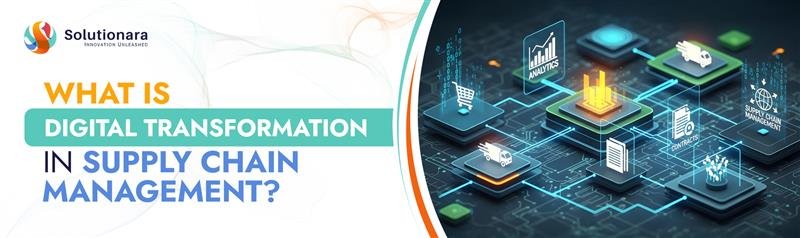
What is Digital Transformation in Supply Chain Management?
Digital transformation is the process of using digital technologies to change how an organization operates and offers value. In the supply chain scenario, it means leveraging technologies such as IoT, robotics, AI, and advanced analytics.
These technologies help optimize processes, enable data-driven decisions, and gain real-time visibility. The ultimate goal is to create a smart, collaborative, connected, cyber-aware, and customer-centric supply chain.
Digitization of the supply chain also focuses on automating and optimizing operations by replacing manual processes. It also changes the ad-hoc assessments with analytics and assessments.
To simplify the concept, let’s look at how a typical supply chain works. There are multiple moving parts in the setup, from sourcing material to handling delivery and returns. Each stage has its own discreet systems that generate data that wasn’t shared down the chain.
One reason is the complete reliance on manual labor and the lack of real-time data. With digitalization, these gaps can be smartly handled.
Companies can easily monitor and measure data, thereby enhancing their operational efficiency.
The following information can be easily tracked down by introducing digital methods to their operation:
- End-to-end visibility across the entire supply chain.
- Coordinate the movement of materials, components, and finished goods.
- Analyzing weather, market, labor, and financial data from third-party sources.
- Quickly react and adapt to the supply chain disruptions and changes.
- Effectively reduce waste and improve resource utilization.
- Enhanced communication and data sharing to build stronger partnerships with customers and suppliers.
Why Digital Transformation is Important for Supply Chains?
By now, you have a basic idea that the digital transformation isn’t just a buzzword. It is becoming the backbone of modern supply chains.
Companies today face the complexity of the changing market, from fluctuating demand to global disruptions. However, relying on traditional manual processes doesn’t seem fruitful.
The process became slow and error-prone, with no scope for real-time data and decision-making. By integrating advanced technologies in their operation, businesses can gain instant visibility.
Gradually, it leads to streamlined operations and data-driven decisions. Beyond efficiency, digital tools help supply chains become more agile, resilient, and even sustainable.
Here are some of the factors that explain the role of digital transformation in supply chain management:
Enhanced Decision-Making
Real-time analytics and data offer managers and senior team leads actionable insights. It enables them to make faster and more informed operational decisions.
Businesses can now anticipate market changes or gain demand forecasting. It helps them identify potential bottlenecks and silos. Based on real-time data, they can easily adjust plans to prevent loopholes that cause operational issues.
Increased Operational Agility
The impact of digitization on the supply chain is also essential, as it enables greater agility. It allows businesses to react rapidly to the disruptions. They can effectively handle sudden demand spikes caused by global trade issues.
Agility ensures that the organization maintains continuity and reduces downtime. The digitalization of the supply chain overall strengthens the resilience.
Improved Collaboration Across Networks
Digital tools break down silos between the manufacturers, suppliers, logistics providers, and distributors. When information is shared among key stakeholders, it leads to an integrated workflow.
Shared information also fosters better coordination and association throughout the supply chain. Working on flexible, collaborative models is also essential for managing complex, multi-tier supply chains.
Competitive Advantage
Digital platforms like blockchain provide end-to-end visibility into the supply chain, enabling companies to monitor inventory and track shipments. Such flexibility helps build trust and enables faster decision-making.
Automation of manual tasks enables faster innovation, reduces errors, and optimizes resource use more effectively than competitors. Even for tasks like order processing and warehouse management, businesses using digital tools can smartly lower operating expenses.
Sustainability and Compliance
Compliance and sustainability are essential tools for mitigating risks. The digital tools enable better tracking of the eco-friendly practices.
Digital practices ensure regulatory adherence, thereby enhancing the brand reputation. The companies can effectively monitor and adjust their practices that have environmental impacts. They can also save money by avoiding legal penalties for labor violations.
What are Key Technologies Driving Digital Supply Chains?
A digital supply chain roadmap is a multilayered plan that streamlines supply chain operations to support business growth. Businesses that adapt to new trends and updates can address the implications of digital technology in their operating models.
It is more evident in the digitalization of supply chain management and logistics. The change is constant, as a lot of pressure comes from customers in the form of demand for cheaper, faster delivery.
As a result, organizations have to continuously evolve and adopt innovative technologies to remain competitive. Digitalization has become especially important in logistics operations, particularly when managing international shipping or transporting sensitive, high-value goods.
Implementing advanced digital technologies enables companies to enhance visibility and ensure greater reliability across the supply chain.
The following technologies are driving supply chain transformation:
Internet of Things (IoT)
IOT in the supply chain enables real-time tracking of shipments or deliveries. A business owner can easily monitor the warehouse conditions. Based on real-time data, they can implement predictive maintenance for equipment. Smart sensors embedded in inventory and shipment locations offer unparalleled visibility into the supply chain.
Blockchain
Blockchain enhances security and transparency by creating an immutable record of transactions. The technology is especially useful in industries like food and pharmaceuticals, where traceability is crucial.
Artificial Intelligence and Machine Learning
AI and ML help transform operations from reactive to proactive output. It does so by analyzing vast data sets.
The process optimizes inventory, forecasts demand, identifies risks, and automates logistics. Machine learning models reduce human mistakes in tasks such as automated replenishment or warehousing. Businesses can continuously improve operations using data, making supply chains more efficient.
Cloud Computing
Cloud-based platforms change the supply chain into a digital ecosystem. They help businesses by offering real-time scalability, visibility, and enhanced collaboration.
The technology shifts manual processes to AI-driven, automated networks. It centralizes the data, allowing rapid growth and seamless collaboration. Cloud computing makes digital tools accessible even to small and medium-sized organizations.
Robotics and Automation
Robotics and automation transform supply chains into smarter, faster, and more resilient digital networks. Bots automate repetitive tasks such as order processing, invoicing, and inventory updates.
The technology effectively enhances speed while reducing human error. For instance, technologies such as Autonomous Guided Vehicles (AGVs) or robotic picking systems support greater human reliance and improve accuracy.
What are the Core Areas of Supply Chain Digital Transformation?
Digital transformation influences multiple facets of the supply chain. It reshapes how businesses execute, plan, and manage operations.
By strategically applying digital tools, businesses can optimize processes across core areas. It ensures efficiency, visibility, and resilience at every stage.
Having knowledge of these core areas is essential for building a future-ready supply chain. The ideal way to drive significant impact for your business is by leveraging technologies such as IoT, AI, and cloud computing. The technologies will enable visible, agile, and automated operations for the business.
The following are the important areas of digital transformation in supply chain management:
Procurement and Supplier Management –
Digital systems help streamline essential operations like supplier collaboration, sourcing, and contract management. Businesses can check their supplier performance in real time, minimize risks, and make data-driven procurement choices.
Inventory and Warehouse Management –
The organization can leverage technologies to automate, use IoT sensors, and perform advanced analytics. The technology helps in stock tracking, demand forecasting, and storage organization. It’s a technology that minimizes stockouts, additional inventory, and operational bottlenecks.
Logistics and Transportation –
Technology in the logistics unit is essential in the current economic scenario. Customers want faster, more reliable deliveries. Many companies still rely on the outdated systems that limit visibility and efficiency. With real-time tracking, companies can manage resource shortages and handle deadlines.
Demand Planning and Forecasting –
Technology or AI-based demand forecasting is error-free and efficient, enabled by real-time analysis of multiple data sources. The information enables businesses to adapt to current market trends and meet changing customer demands. Digitalization reduces the gap between forecast and operational costs. By integrating the technology into the work processes, firms can prevent lost sales, excess inventory, and rushed supplier messages.
Returns and Reverse Logistics –
Digital tools effectively transform a cost center into a competitive advantage. It helps businesses by automating workflows, boosting visibility, and enhancing sustainability. Through an automated process, organizations can simplify returns processing, warranty management, and recycling operations. The integration of smart technology increases efficiency, minimizes costs, and improves customer satisfaction.
Benefits of Digital Transformation in Supply Chain Management
By now, you have a clear idea of the areas where digital transformation is necessary. It is essential to know that digital transformation doesn’t change how supply chains operate or disrupt the flow.
Rather, it directly delivers measurable advantages that improve efficiency, customer satisfaction, sustainability, and business growth. By integrating modern technologies and data-driven processes, businesses can achieve noticeable developments across multiple verticals of their operations.
The following benefits highlight why digital supply chains are essential for forward-thinking organizations:
Visibility
One of the top benefits of digital transformation is that companies can see and track every part of the supply chain in real time. Technologies such as IoT sensors and blockchain enable businesses to monitor shipments, inventory levels, and supplier activity continuously.
Such a level of transparency reduces the risk of errors and fraud. It also helps managers make instant data-driven decisions when disruptions occur. With precise data at every stage, organizations can anticipate issues before they escalate. It ensures that operations remain smooth and reliable.
Cost Reduction
Automation helps streamline supply chain operations. By replacing manual tasks with automated tasks, companies can streamline their warehouses, procurement, or logistics processes.
Such facilities reduce operational costs, minimize human error, and increase output. Digitally apt organizations often see cost reductions in their supply chain operations. Efficient work processes give teams time to focus on strategic initiatives, thereby enhancing overall business performance.
Better Customer Service
Digital tools help businesses to respond to customer demands with speed and precision. Through predictive analytics, they can forecast demand trends.
It facilitates real-time inventory tracking, ensuring that products are available when and where needed. Businesses can restock their items, reducing last-minute delays. The on-time delivery enhances reliability, thereby strengthening customer satisfaction and loyalty.
Agility and Resilience
Supply chains are constantly disrupted by sudden market shifts or natural disasters. Digital transformation equips companies with the tools to respond quickly.
With predictive systems, real-time monitoring, and automated decisions, organizations can adapt to changing conditions. They can reroute shipments or adjust production schedules to ensure smooth operations. Businesses that embrace these technologies can recover from disruptions faster and maintain continuity even in changing markets.
Innovation
Digital transformation opens doors to innovation. By integrating new technologies, companies can streamline their revenue flows.
Smart tools enable faster adaptation and continuous improvement, allowing supply chains to evolve in changing market conditions. The innovative mindset ensures that businesses remain competitive. They can turn their supply chains into strategic assets.
Challenges in Digital Supply Chain Transformation
The digital revolution has transformed the way the supply chain works. While the benefits of digital transformation are compelling, implementing these changes across supply chains is not so easy.
Organizations often encounter obstacles related to technology and processes. The challenges can slow adoption or limit the value achieved.
It is therefore important to know digital supply chain challenges and future directions. Such an approach can help businesses plan for smooth operations or maintain a financial backup during digital implementation.
The following are the issues a company can face during the digitalization of supply chain management:
- Integration with Legacy Systems – Many companies operate with a mix of old and new technologies. Connecting the legacy systems to modern digital platforms can be quite complex. The process can be costly and time-consuming.
- Data Management – Digital transformation relies on accurate, timely, and standardized data. Inconsistent information or the inability to use the software can restrict analytics, forecasting, and decision-making. It can limit the potential benefits of digital tools.
- Workforce Readiness – Shifting to a digitally enabled supply chain requires skills and an adaptable mindset. Companies may face trouble with employees who may resist change. Individuals may lack the expertise to fully leverage new technologies. It makes training and change management critical.
- Investment Considerations – Implementing digital solutions often involves high upfront costs. A company needs to invest funds in software, hardware, and infrastructure. Small businesses may face challenges managing expenses and savings.
- Cybersecurity – Increased connectivity and data sharing may sometimes increase security issues. Protecting sensitive information across suppliers, logistics partners, and internal systems requires robust cybersecurity measures.
How to Start Your Digital Transformation Journey in Supply Chain?
While going through the digitization trends, challenges, and solutions in supply chain management, multiple questions might have come to mind. One of the most important questions organizations face is how to effectively implement digital transformation within the existing operational processes.
It is a fact that embarking on a digital transformation journey requires a strategic approach. The strategies must align with the company’s technology, processes, and employees.
Businesses that take a structured approach are more likely to achieve long-term, sustainable benefits. They will be able to avoid common pitfalls.
1. Assess Current Capabilities
Begin by evaluating your existing systems. Assess your processes and workforce skills. Identifying the gaps in visibility and data management can help understand which areas of the supply chain need digital initiatives.
2. Define Clear Objectives
Building a roadmap can help establish a specific goal. The objective will help enhance efficiency, customer service, and agility. A business owner needs to ensure that the goal connects with both general operations and corporate strategy.
3. Prioritize Key Technologies
Focus on technologies that fulfill your objectives. It may include IoT for real-time tracking, AI for predictive analytics, or cloud platforms for scalable integration.
4. Develop a Pilot Implementation Plan
Before directly implementing the technology, opt for a pilot program. A phased approach allows for testing, learning, and refinement. It won’t disrupt work processes or expenses.
5. Invest in Workforce Enablement
Upskill employees or give them training to easily manage new systems. It will put them in a mindset ready to adopt new tools. Ongoing support is critical to ensure adoption and maximize value.
6. Monitor and Optimize
Continuously tracking performance against objectives can help identify loopholes. The technology can offer real-time data and analytics needed to refine processes. Businesses can use this valuable information to work on successful initiatives and address challenges proactively.
What are the Future Trends in Digital Supply Chain Management?
As technology continues to evolve, so does the supply chain. The next wave of innovation will go beyond operational efficiency. It will reshape how the organization plans, executes, and competes in the global market.
The following are the changes or transformations that are supposed to bring evolution in the supply chain:
- Artificial intelligence and machine learning will increasingly drive self-optimizing supply chains.
- Expanded IoT and Sensor Integration across multiple processes for operational efficiency.
- Data encryption, network security, and regular employee training will ensure that information remains safe.
- Organizations will increasingly adopt digital tools to reduce waste and optimize resource use.
- Advanced analytics and AI will allow businesses to respond to individual customer preferences.
- Cloud platforms and integrated networks will enable seamless collaboration between suppliers, manufacturers, and retailers.
Transform Your Supply Chain with Digital Solutions From Solutionara
Digital transformation in supply chain management is redefining how organizations operate, enabling smarter, more connected, and agile supply chains. By leveraging advanced technologies, businesses can streamline processes, gain real-time visibility, and make data-driven decisions.
At Solutionara, we specialize in providing businesses with a digital transformation guide that can help them scale effortlessly. Our expert team provides tailored solutions that connect people, processes, and technology across the supply chain.
We ensure that your businesses can easily implement digital tools and harness their full potential to achieve operational excellence and long-term growth.
Take the first step toward a future-ready supply chain with solutions from Solutionara today!